
How to Choose the Best Curtains for Your Home: Complete 2027 Guide
1. Pick the Right Fabric for Each Room
-
Sheer Fabrics (Voile, Organza): Best for living rooms and dining areas where you want soft, diffused daylight without sacrificing daytime privacy.
-
Lightweight Cotton & Linen: Ideal for casual, airy spaces. Linen adds natural texture and drapes effortlessly, making it a staple for modern homes.
-
Heavy Fabrics (Velvet, Jacquard, Suede): Best suited for bedrooms and media rooms. These thick weaves block light, dampen outside noise, and insulate against heat and cold.
2. Match Curtain Function to Your Needs
-
Blackout Curtains: Essential for bedrooms, nurseries, and west-facing windows that get harsh afternoon sun.
-
Thermal-Insulated Curtains: Lined with dense backing to keep rooms cooler in summer and warmer in winter, helping reduce energy bills.
-
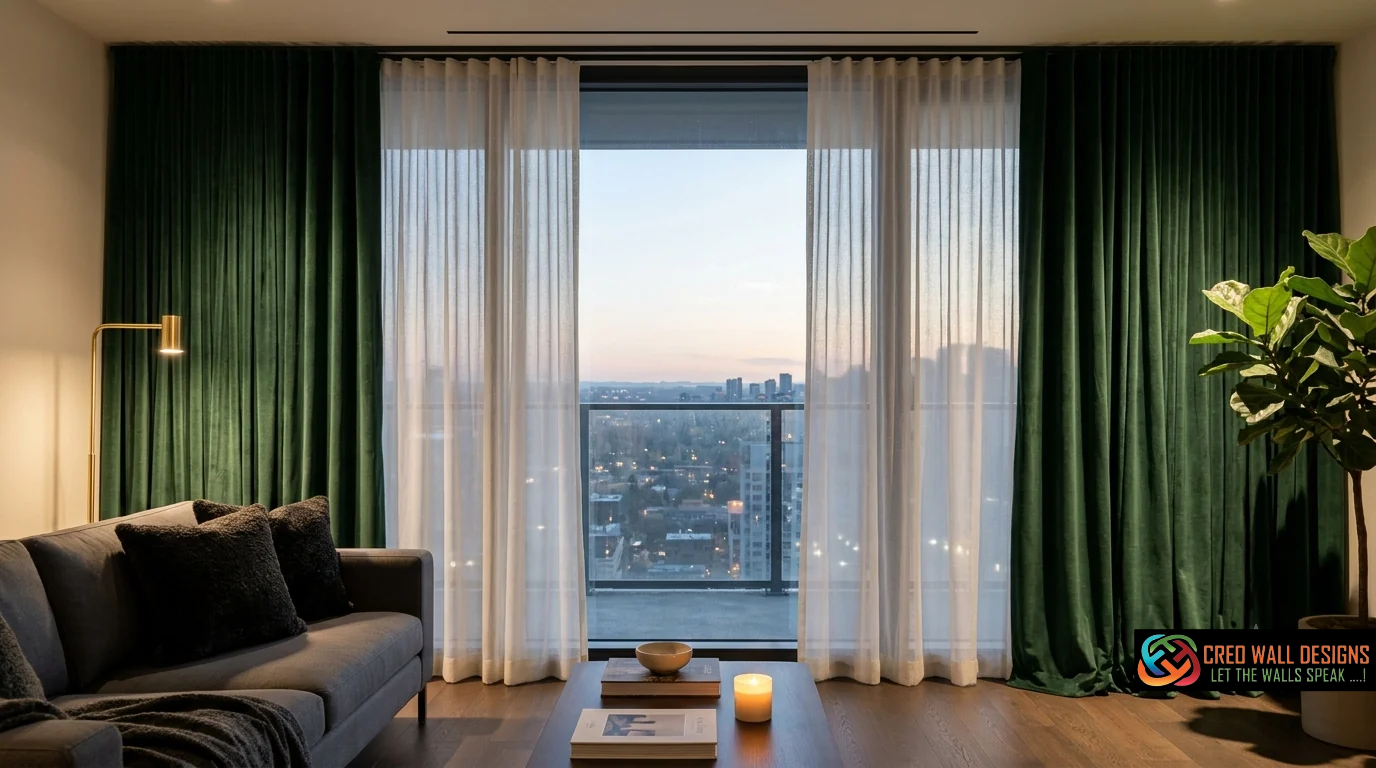
Layered Curtains: Pairing a sheer inner layer with heavier outer drapes gives you total flexibility—bright daylight during the morning and complete privacy at night.
3. Get the Length and Width Measurements Right
-
Width: Your curtain panels should measure 2 to 2.5 times the width of your window frame so they create rich, natural pleats even when closed.
-
Length: Floor-length curtains create the most polished look. Hang your curtain rod 4 to 6 inches above the window frame (or close to the ceiling) and extend it 3 to 6 inches wider on each side to make windows look larger. Let the fabric either kiss the floor lightly or hover half an inch above it for easy cleaning.